
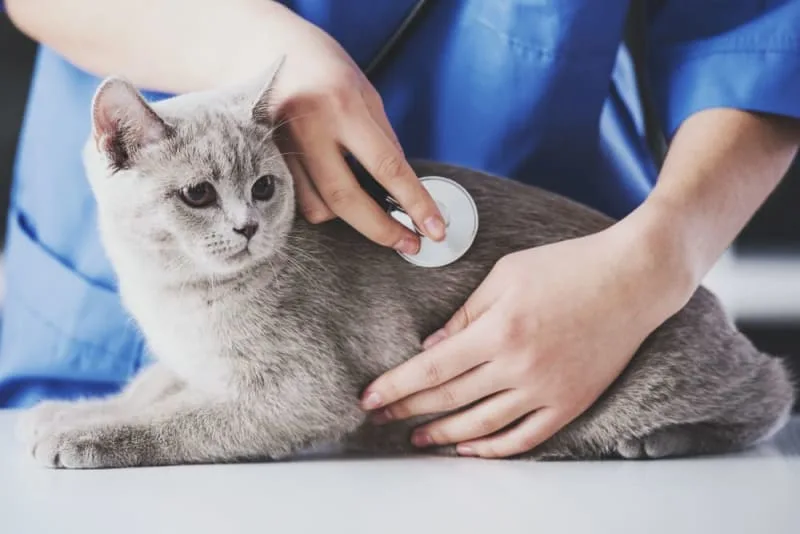
Cats are notorious for hiding pain so pet owners need to know the subtle signs that their companion isn't feeling their best. Today, our Powder Springs vets discuss the signs and symptoms of pain in cats and what you can do to help.
How to Tell If Your Cat Is in Pain
Signs that a cat is in pain vary depending both upon the personality of the cat and the type of pain they are experiencing.
Most cats will show obvious signs of acute pain if they have an accident or injury but it can be much more challenging to tell if your cat is experiencing chronic pain such as pain caused by arthritis or gum disease.
Because cats instinctively hide signs of pain it is essential for pet parents to always keep a watchful eye for uncharacteristic behavior, personality changes, an unusual stride, or changes in appetite.
Symptoms That a Cat Is in Pain
If your kitty is experiencing pain you may notice one or more of the following symptoms:
Frequent meowing or howling
Not using their litterbox
Tail flicking
Won't eat or reduced appetite
Poor grooming, scruffy looking
Lethargy
Excessive hiding
Limping
Avoiding being handled
Behavioral changes
Irritability
Uncharacteristic hissing/growling/spitting
Unusual vocalizations
Excessive grooming
Panting
Patchy fur
Signs of Pain in Your Cat's Posture & Body Language
Cats in pain will often display changes in body language. In some cases, the body language changes of a cat in pain will be very noticeable but often these changes are more subtle. Our vets recommend always monitoring your cat's overall demeanor, stance, and gait so that any changes from their normal will be easily spotted.
Body language changes related to pain in cats include:
Tense-looking body
Crouched or being hunched over
Head lowered
Pain Expressed on Your Cat's Face
While many cats show little or no change in their facial expression while experiencing pain, some cats are very expressive. If your cat is in pain they might:
Squint or close their eyes tightly
Flatten their ears so that they are pressed to the sides or back of their head
Project an overall facial appearance of tension with a tight mouth
When to Seek Veterinary Care
Often signs of pain in cats are missed until the cat's condition is advanced. When it comes to your cat's long-term health it's always best to err on this side of caution.
If your feline friend is displaying signs of pain contact your vet right away to schedule an examination, or seek emergency veterinary care. To help preserve your cat's good quality of life pain management, and treatment of painful conditions early are essential.
Note: The advice provided in this post is intended for informational purposes and does not constitute medical advice regarding pets. For an accurate diagnosis of your pet's condition, please make an appointment with your vet.
Is your cat showing signs of a medical emergency? Contact our Powder Springs vets today to have your feline friend cared for.